installation service in Phoenix
<!DOCTYPE html>
Choosing the Right AC Installation Service in Phoenix This Summer: A Local Homeowner’s Checklist
Choosing the Right AC Installation Service in Phoenix This Summer: A Local Homeowner’s Checklist
Phoenix home comfort is not optional. It is survival during a 115°F heat wave. That pressure exposes sloppy installs, oversizing, weak airflow, and mismatched systems. A strong ac installation service Phoenix plan starts with design math, not guesswork. It protects the home when the Valley of the Sun bakes rooftops and driveways. It also lowers energy waste during long monsoon humidity streaks and hot overnight lows.
Day & Night Air Conditioning, Heating, & Plumbing serves residential and commercial properties across Phoenix, AZ and the greater Maricopa County area. The team installs split-system central air, heat pumps, and packaged rooftop units with SEER2 compliant performance. They apply Manual J load calculations, tighten duct leakage, and set charge by the book. They also know Ahwatukee stucco homes, Arcadia ranch layouts, and the wind-scoured microclimates near Camelback Mountain. That local context matters as much as the brand on the box.
Why Phoenix homes need engineering-grade AC design
Phoenix design conditions push AC systems to their edge. Summer highs reach 110 to 118°F in many weeks. Afternoon roof temps soar far past ambient. Nighttime cooling lag keeps slab foundations warm. Even shaded Arcadia lots around 85018 demand strict sizing and duct strategy. New builds in Desert Ridge face direct western exposure that punishes undersized condensers. Tight attics in Moon Valley trap heat and demand careful air handler positioning. These factors change capacity delivery at the register, not just on the nameplate in a brochure.
Correct capacity is the first step. Manual J considers window SHGC, insulation R-values, infiltration, internal loads, and orientation. A professional also reads local solar angles and shading from palms or block walls. In Phoenix, a lazy “ton per 400 to 600 square feet” rule misses the mark. Some homes in Paradise Valley Village perform best near 350 to 400 CFM per ton. Others near North Mountain benefit from extra duct line insulation and a variable speed blower setup. Cooling comfort is system synergy, not a catalog order.
Homes across 85032 and 85050 that were built in phases often show uneven duct runs and poor return placement. That creates hot and cold spots in primary bedrooms and living rooms. The fix during an HVAC replacement is not bigger equipment. It is improved static pressure, better return air paths, and proper balancing. Installation quality is the lever that turns rated SEER2 efficiency into real comfort at the thermostat.
What a Phoenix-ready AC installation must include
Good installation pairs the right equipment with a smart field setup. The crew must evaluate total external static pressure, test for duct leakage, and match the refrigerant circuit. They must square the pad or roof curb and confirm clearances for airflow. They must also tie in a thermostat that can control staging and fan speed logic without fighting the evaporator coil’s dew point performance.
A complete work scope often includes a new condenser and air handler or furnace coil, fresh copper line sets where needed, a code-approved drain pan and float switch, a new pad or mounting system, and sealed duct transitions. Day & Night also checks charge using weigh-in and superheat or subcooling targets from the manufacturer. On a heat pump, they confirm reversing valve performance and defrost logic, which helps during rare cold snaps and shoulder seasons.
High-efficiency compressors and variable speed air handlers push comfort higher while trimming peaks during APS and SRP rate windows. Variable speed blowers let the evaporator coil wring more moisture during monsoon humidity surges. The result is a cooler-feeling 75°F setting without the clammy air that causes mold risk and dust mite growth. The difference shows up in the family room and on the utility bill.
Common symptoms that signal it is time for replacement
Aging AC units across the Valley start to show wear between 10 and 15 years. Refrigerant leaks become frequent. Compressors struggle on peak afternoons. Repairs stack up and produce diminishing returns. If a system still uses R-22 refrigerant, parts are scarce and costly. Many Phoenix homeowners see higher utility bills year over year, even when the thermostat set point stays the same. They also report hot rooms on the west side or a master bedroom that never cools down before midnight. Those are signs of capacity loss, infiltration, duct leakage, or a weak blower. Replacing the system with a SEER2 compliant unit and setting the airflow to spec often solves the pattern.
Another tell is cycling behavior. Oversized units short cycle by dropping air temperature fast but leave moisture in the space. The indoor air feels sticky. In Arcadia’s older ranch homes, this problem shows up with basic single-stage condensers installed on top of leaky sheet metal plenums. A right-sized, two-stage or variable speed system cleans this up when paired with a sealed return and a calibrated thermostat profile.
Equipment types that fit Phoenix homes and businesses
Central air conditioners remain the default for most single-family homes in Phoenix. Heat pumps deliver strong cooling plus efficient electric heat for winter mornings. Packaged rooftop units, or RTUs, dominate small commercial buildings and many older homes that transitioned to roof systems. Zoned cooling systems help two-story homes across 85085 where the upstairs roasts while the downstairs stays cold.
Ductless mini-split installations shine in garages, casitas, home offices, and expanded additions. Mitsubishi Electric and Daikin models offer fine-grained control and quiet operation. For Arcadia home offices, a wall-mounted ductless head can hold a steady 72°F through long video call days without taxing the main home system. Hybrid HVAC systems pair a heat pump with a gas furnace for flexible energy choices, though many Phoenix owners run fully electric with high-efficiency heat pumps tied to solar arrays.
On brand selection, Phoenix installers rely on Trane, Carrier, Lennox, Goodman, Rheem, York, American Standard, Daikin, and Mitsubishi Electric. Reliability, parts support, and noise ratings matter in dense infill neighborhoods near Biltmore and along the Camelback corridor. Day & Night installs these brands every week and selects matched indoor and outdoor components so the evaporator coil and condenser coil operate on the same performance curve.
What professionals check during a load calculation and design
Manual J forms the cooling and heating load target. In Phoenix, the calculation includes aggressive solar gain on west and south exposures, window area near pools that reflect extra light, and duct location in hot attics. Manual S selects the equipment that meets the sensible and latent loads. Manual D sizes ducts, sets target velocities, and balances supply and return paths. A pro will inspect existing trunks for kinks and measure static pressure to protect blower longevity.
Day & Night pulls attic measurements, window specs, and orientation details for homes from Ahwatukee to Desert Ridge. A 2,200 square foot home in 85044 with proper attic insulation and low SHGC windows might need less tonnage than a smaller home in 85016 with single-pane glass and worn weatherstripping. The calculation matters more than the square footage rule of thumb. The crew then sets airflow between 350 and 425 CFM per ton to match latent control needs during the monsoon. This protects indoor air quality and helps stop that sticky feeling at normal set points.
For packaged rooftop units, the team sizes and sets a roof curb, seals the duct curb transitions, and confirms structural support. A crane pick may need a City of Phoenix permit and site coordination so traffic near Phoenix Sky Harbor International Airport flight paths remains safe. Commercial replacements along the I-10 corridor often happen off-hours to limit business downtime and protect inventory from heat.
The hardware that makes or breaks long-term performance
A system is a chain of parts. The compressor drives capacity. The condenser coil rejects heat into hot Phoenix air. The evaporator coil removes heat and moisture indoors. The air handler or furnace with a variable speed blower delivers airflow under rising static pressure. The thermostat coordinates staging and fan ramps. Copper line sets move refrigerant and must be clean, dry, and sized to spec. Drain pans and float switches stop ceiling damage during a clog. The pad or mounting system must be level and sturdy to protect oil return in the compressor and to control vibration.
Field conditions shift these parts. A clogged filter or tight return chokes airflow. An overcharged system on a 117°F day can exceed safe head pressure. A dirty condenser coil loses capacity in less than one season near dusty construction zones in North Phoenix. This is why quality installations start clean, evacuate to 500 microns or better, weigh in charge, and verify superheat or subcooling with gauges and probes. It is also why ongoing maintenance matters as Phoenix dust and cottonwood seed load fins every spring.
Phoenix neighborhoods and how they affect AC choices
Arcadia and Biltmore have older trees that shade midday sun, yet many homes are mid-century with complex remodel histories. Expect duct mixes and return problems. Desert Ridge and parts of 85050 see newer construction with decent insulation but broad west-facing glazing. These homes like a variable speed blower and smart thermostat schedules to ride through late afternoon spikes. Ahwatukee backs against South Mountain Park, where canyon winds and shaded slopes can create cooler mornings that favor lower minimum airflow to avoid overcooling.
Moon Valley and North Mountain include two-story homes with hot second levels. Zoned cooling is the practical answer if the duct plan allows it. Paradise Valley Village often blends luxury renovations and casita additions that call for ductless mini-splits or secondary air handlers for precise control. Closer to downtown near Chase Field and the Desert Botanical Garden, urban infill lots and smaller setbacks require quiet outdoor units with tight clearance plans and low-vibration pads.
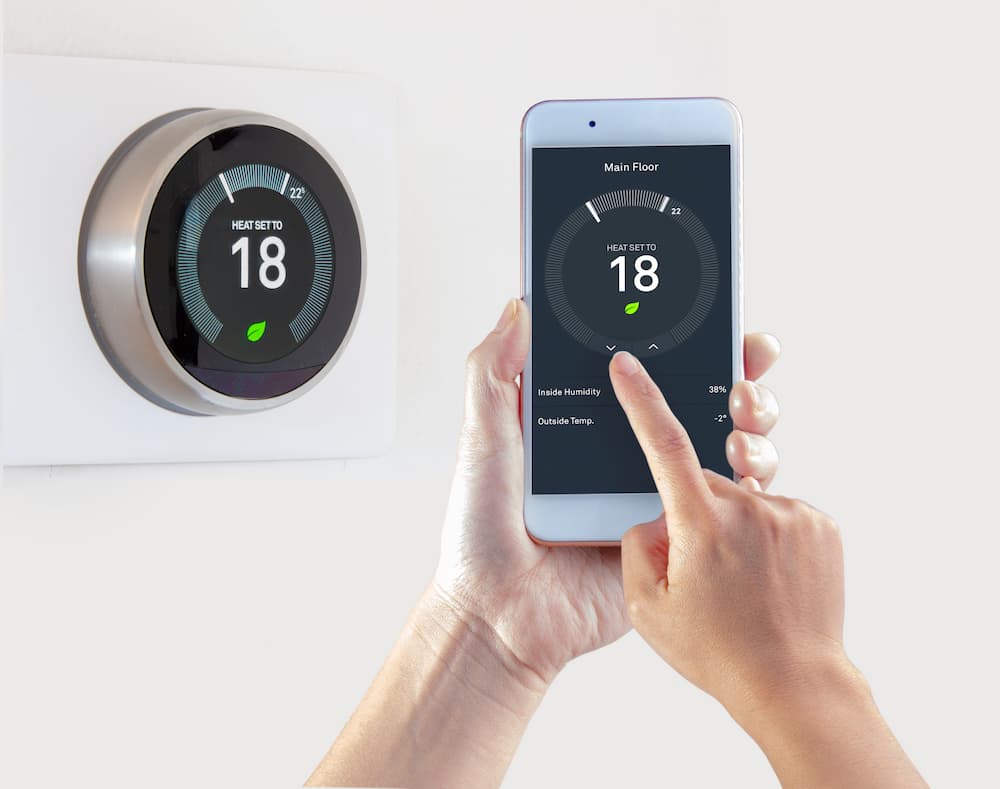
Installers who work these pockets weekly know how late sun hits near Camelback Mountain and how high-reflectance roofing in 85018 changes attic temps. They also watch roof drainage and condensate routing closely in monsoon season to prevent ceiling stains and drywall damage.
SEER2, utility bills, and what the rating means on your block
SEER2 changed test procedures to better reflect external static pressure and real duct conditions. A SEER2 rating shows seasonal cooling efficiency, but local delivery depends on duct tightness, coil cleanliness, blower setup, and charge. A system rated well in a lab can waste energy in a Phoenix attic if the return is undersized and the flex ducts are crushed under storage boxes. The biggest savings come from correct sizing, low leakage ducts, and variable speed operation under smart schedules for APS or SRP plans.
Mature neighborhoods in 85021 and 85018 may pick up major gains from duct sealing and fresh returns. Newer tracts in 85085 already do well with insulation and balanced trunks, so the focus shifts to equipment staging and thermostat profiles. Day & Night often pairs a two-stage or variable speed condenser with a matching variable speed air handler and a smart thermostat. The system then rides low-stage during most of the day, shifting to high-stage during late afternoon peaks. The result is stable comfort with less cycling and smoother humidity control.
The checklist Phoenix homeowners run before they sign
Homeowners across Phoenix ask for a clear scope, clean install photos, and proof of load math. They want to see brand model numbers, warranty terms, and that ROC licensing checks out. They ask about financing and any utility rebates without pressure. They confirm the city or HOA requirements, especially for rooftop package units in Glendale, Peoria, and nearby corridors. They also want a single point of contact if a week turns hot and the new system must be online by Friday.
Your quick decision checklist
- Manual J, S, and D provided in writing with proposed tonnage and airflow per ton
- SEER2 compliant options with model numbers for Trane, Carrier, Lennox, or equivalent
- Line set and drain strategy, plus duct sealing plan and static pressure target
- Permits, inspection steps, and Arizona ROC licensing with bond and insurance noted
- Warranty terms, maintenance plan, and start-up test data captured at commissioning
Why rooftop package units are common across Phoenix
Packaged rooftop units, or RTUs, keep equipment off the ground and clear of yard debris. They also reduce noise at patio level and keep condensate lines short. Phoenix’s flat and low-slope roofs often accept a curb-mounted RTU that ties into existing supply and return openings. Day & Night replaces RTUs with crane lifts during early morning hours when wind is lower and streets near Scottsdale or Tempe stay quiet. The crew levels the curb, sets vibration isolation, seals the curb, and tests airflow. They verify gas lines when the RTU includes a gas heat section, then confirm flue and code compliance for Maricopa County jurisdictions.
Commercial replacement on shopping strips across Chandler, Gilbert, and Mesa needs fast turnaround. Crews stage equipment after hours, set the pick before the stores open, and run test and balance so employees can work under stable cooling by midday. These details keep businesses from losing a weekend of revenue during a triple-digit spell.
Ductless mini-splits for Phoenix casitas and home offices
Ductless systems work well for detached garages, short-term rental suites, and converted dens. Mitsubishi Electric and Daikin units run quietly and hold tight temperature bands. A single-zone unit often cools a 200 to 500 square foot space without touching the home’s central air. In Arcadia and Biltmore, many owners choose ductless for office build-outs set at 72°F all day while the main space stays at 76°F. This saves energy and avoids duct surgery in finished ceilings. Day & Night sets line hide channels, wall sleeves, and proper condensate routing so the install looks clean and drains out of sight.
For larger additions, multi-zone ductless can handle three to five rooms with independent controls. Variable speed compressors modulate load so the system sips power during mild evenings and ramps up during 4 p.m. Spikes. The crew places outdoor units with clearance for service and airflow, which is important on tight lots near downtown Phoenix.
Thermal realities near Phoenix landmarks and microclimates
Homes near Camelback Mountain face reflected heat and unique wind exposure. Properties by South Mountain Park see quicker shade in the afternoon but long morning reheat from masonry. Near Phoenix Sky Harbor International Airport, jet blast is not the concern at a home, but open exposures and less tree cover make late sun harder on west walls. Around Chase Field and the Desert Botanical Garden, the urban heat island effect widens the gap between late afternoon and midnight. A correct system plan accounts for that slow cooldown and limits short cycling with longer low-stage runs.
This is why Day & Night’s install team logs return air temperatures, supply temperatures, and static pressure before and after the job. They want measured gains, not guesses. They offer upgrades such as better return paths in master suites and additional supply runs in bonus rooms that face west. They also tune blower ramps on variable speed air handlers so the first few minutes wring moisture before full-speed airflow.
Indoor air quality and moisture control in the monsoon
Phoenix is dry most of the year. Monsoon season changes the playbook. Evening humidity climbs. A strong AC setup must remove moisture before it drops temperature too far. Older single-stage systems rush that first cool-down and leave sticky air. Variable speed blowers and staged compressors hold longer runs on lower airflow. The evaporator coil stays colder longer and condenses more water. The balance is airflow per ton, coil temperature, and run time. Day & Night sets those variables at commissioning and logs dew point when needed for tricky homes.
Dust is the other long-term problem. Filters need correct MERV ratings without choking airflow. Many Phoenix homes do well with MERV 11 to 13 media, but only if the return size supports the pressure drop. A smart install includes the right return grille area and a sealed filter cabinet. This protects the evaporator coil and the variable speed blower from fouling. It also holds cleaner coils that preserve SEER2 performance across seasons.
Brands, parts, and what matters beyond the label
Brand choice is important, yet installation trumps badges. Trane, Carrier, Lennox, Goodman, Rheem, York, American Standard, Daikin, and Mitsubishi Electric all build equipment that can cool a Phoenix home. The win is a matched system with a compressor and indoor coil that share capacity curves. A strong thermostat profile unlocks quiet mode and part-load savings on Lennox and Carrier models. Mitsubishi ductless heads can hold temperature with little swing, which is critical for sensitive spaces like nurseries or studios.
Components deserve attention. The variable speed blower must be sized for static pressure in the actual duct layout. The evaporator coil must be clean, pitched, and drained with a float switch. The condenser coil needs enough rear and side clearance to breathe in tight Arcadia lots. Copper line sets should be replaced when contaminated or improperly sized. Day & Night replaces suspect line sets, tests with nitrogen, evacuates to 500 microns, and verifies no rise during isolation. These steps protect the compressor and keep oil return stable during high ambient days.
Permits, inspections, and ROC compliance in Phoenix
Arizona ROC licensing protects homeowners from poor work. Day & Night operates under ROC #133378 and holds proper bonding and insurance. The team pulls permits where required and schedules city inspections. Packaged rooftop units, electrical upgrades, and new gas tie-ins need inspections. Crews label disconnects, verify breaker sizes, strap line sets, and route condensate to code. The final walkthrough includes startup data. Homeowners can request digital copies for their records. This documentation proves compliance and supports warranty claims if needed.
The short list of red flags homeowners in Phoenix should avoid
- No Manual J or duct assessment offered before quoting tonnage
- Claims that bigger is always better for Phoenix heat
- Skipping line set replacement when the old set is wrong size or contaminated
- No startup sheet or charge verification on a 110°F day
- Refusal to provide ROC license and warranty terms in writing
Zip code specifics and service coverage across the Valley
Day & Night supports homeowners in Phoenix, AZ zip codes 85001, 85016, 85018, 85021, 85032, 85044, 85050, and 85085. The crews run calls from Ahwatukee to Arcadia and Biltmore, move through Desert Ridge and Moon Valley, and cover Paradise Valley Village and the North Mountain area. They also work across nearby cities including Scottsdale, Tempe, Mesa, Glendale, Peoria, Chandler, and Gilbert. That spread builds installer instincts across block constructions, foam roofs, clay tile, and various attic access limits.
In 85032 and 85050, many homes blend newer builds with quick-turn remodels. The plan often includes duct verification and fresh returns. In 85044, single-story stucco with south-facing patios benefit from heat pump setups that control shoulder season comfort without heavy gas use. In 85018, noise and height restrictions call for quiet condensers and planned crane lifts with HOA coordination.
How the Day & Night team structures a quality installation
The process starts with an on-site consultation. A comfort advisor inspects the home, gathers window and insulation details, and notes room comfort history. The team runs Manual J, selects equipment with Manual S, and designs ducts with Manual D targets. The proposal lists model numbers for brands such as Trane, Carrier, and Lennox, along with thermostat options and any duct improvements. The quote outlines permits, crane work if needed, and cleanup standards.
On installation day, the crew protects floors and furniture. They recover refrigerant properly, remove old equipment, and confirm electrical and gas service. They replace line sets where appropriate, install the pad or roof curb, and set the condenser or RTU. They install the evaporator coil, seal plenums, and set an overflow switch. They pressure test with nitrogen, evacuate, and weigh in the charge. They measure superheat and subcooling and dial in blower CFM against static pressure. They calibrate the smart thermostat and teach the homeowner how staging works. Finally, they log startup data and register warranties. The job wraps with a site cleanup and a debris haul-away.
A maintenance plan then keeps coils clean, checks drain lines before monsoon season, and verifies charge on a hot day. This preserves efficiency and avoids nuisance breakdowns during the first major heat spike.
Financing, rebates, and practical budget talk
Many Phoenix homeowners use financing for HVAC replacement. Monthly plans help spread costs without delaying a necessary upgrade during a heat wave. Utility rebates appear at times for high-efficiency systems. Program details change by season and utility. Day & Night advises clients on active rebates and pairs that with manufacturer promotions when available. The team prices options that balance upfront cost, efficiency, and noise so a family can choose based on comfort and budget, not pressure.
Home value enters the conversation in 85018 and 85016 where remodel work is frequent. High-efficiency heat pumps with variable speed blowers boost appraisal appeal and daily comfort. Rooftop unit upgrades on small commercial buildings along Glendale and Peoria corridors can lower operating expenses and help tenant retention.
Commercial HVAC replacement in Phoenix and Maricopa County
Businesses across Phoenix need rapid, safe replacements that protect merchandise and workflows. Packaged rooftop units are common, with capacities that require coordinated crane picks and traffic control. Day & Night crews stage gear off-hours, confirm roof integrity, and check gas piping, condensate routing, and electrical. They balance airflow to keep offices and retail floors stable at 74 to 76°F during checkout rushes. Commercial thermostat lockouts protect set points and reduce waste. The team also manages filter schedules for dusty parking lots and construction-adjacent sites that load coils faster than expected.
What “ac installation service Phoenix” should feel like to a homeowner
It should feel predictable and measured. There is a start time, a clear scope, a clean crew, and data that proves the system performs. The home should cool evenly, with a quieter ramp and steadier humidity during monsoon weeks. Utility bills should level out instead of climbing. Rooms that ran hot at sunset should feel stable. The thermostat should make sense at a glance. Most of all, problems should be addressed with field decisions grounded in physics, not guesses.
That is the difference between a low-bid swap and a full installation from a NATE-certified team that works Phoenix, AZ every day. Good work holds up the first time a 116°F weekend hits and the family is home with friends. That is the test that matters.
FAQ for Phoenix AC installation and replacement
How long does a standard central air replacement take in Phoenix? Most single-system residential jobs finish in one day. Complex homes, duct upgrades, or crane work may extend to two days. Commercial RTU replacements vary by tonnage and access but often start at a half day for a straight swap and run longer for curb work or structural changes.
Is a heat pump a good fit for Phoenix? Yes. Heat pumps deliver strong cooling and provide efficient winter heating on mild Phoenix mornings. Many owners pair them with smart thermostats and variable speed blowers for comfort and low sound. Gas furnaces remain common, but many homes run full electric with strong results.
Will a variable speed blower help with monsoon humidity? Yes. Variable speed blowers support longer, lower airflow runs that remove more moisture at the evaporator coil. This reduces that sticky feeling without setting the thermostat lower than needed.
Should the line set be replaced? Often. If the existing copper is undersized, contaminated, or kinked, it should be replaced. A clean refrigerant circuit protects the compressor and preserves efficiency in Phoenix’s extreme heat.
What warranties should a homeowner expect? Many manufacturers offer up to 10-year parts coverage when registered. Labor coverage depends on the installer and plan. Day & Night reviews warranty terms during the quote and registers new equipment after commissioning.
Why Day & Night is a safe choice across Phoenix and Maricopa County
The company runs NATE-certified installers and follows Arizona ROC standards under ROC #133378. The team performs precision Manual J load calculations, offers SEER2 compliant systems, and installs central air, heat pumps, ductless mini-splits, zoned systems, and packaged rooftop units. The installers handle homes in Ahwatukee, Arcadia, Biltmore, Desert Ridge, Moon Valley, Paradise Valley Village, and North Mountain. They work near Camelback Mountain, Chase Field, Phoenix Sky Harbor International Airport, the Desert Botanical Garden, and South Mountain Park. They also replace systems in Scottsdale, Tempe, Mesa, Glendale, Peoria, Chandler, and Gilbert.
This local footprint builds an internal map of microclimates and construction types. It also sharpens the crew’s response in peak season. A hot spell does not pause for parts runs or design missteps. Field-hardened teams anticipate the edge cases and prepare for them on day one.
Ready to upgrade before the next 115°F week?
Day & Night Air Conditioning, Heating, & Plumbing makes AC replacement simple for Phoenix homeowners. Ask for a written load calculation, brand options with SEER2 ratings, and a clear duct plan. Request installation day photos and a commissioning report with charge and airflow numbers. Expect clean work, strong communication, and respect for the home.
Conversion signals that matter to Google’s local map pack also matter to homeowners:
- NATE-certified installers who live and work in Phoenix
- SEER2 compliant options from Trane, Carrier, Lennox, Goodman, Rheem, York, Daikin, Mitsubishi Electric, and American Standard
- Written warranties and flexible financing
Request a consultation today. Book a site visit for Arcadia 85018, Biltmore 85016, North Phoenix 85032 and 85050, Ahwatukee 85044, or 85085 near North Gateway. The team will measure, design, and install a system that holds steady through the hottest weeks in Phoenix, Arizona.
Contact Day & Night Air Conditioning, Heating, & Plumbing to schedule AC installation service in Phoenix. Ask about current financing and utility rebates for high-efficiency replacements. Get a firm quote and a start date that fits the calendar. The home will feel right again, room by room.
ac installation service Phoenix
Day & Night Air Conditioning, Heating & Plumbing 3669 E La Salle St,Phoenix, AZ 85040 (602) 584-7758 www.dayandnightair.com AZ Licenses: ROC335883 | ROC335884 Google Maps | Facebook | Instagram | LinkedIn